
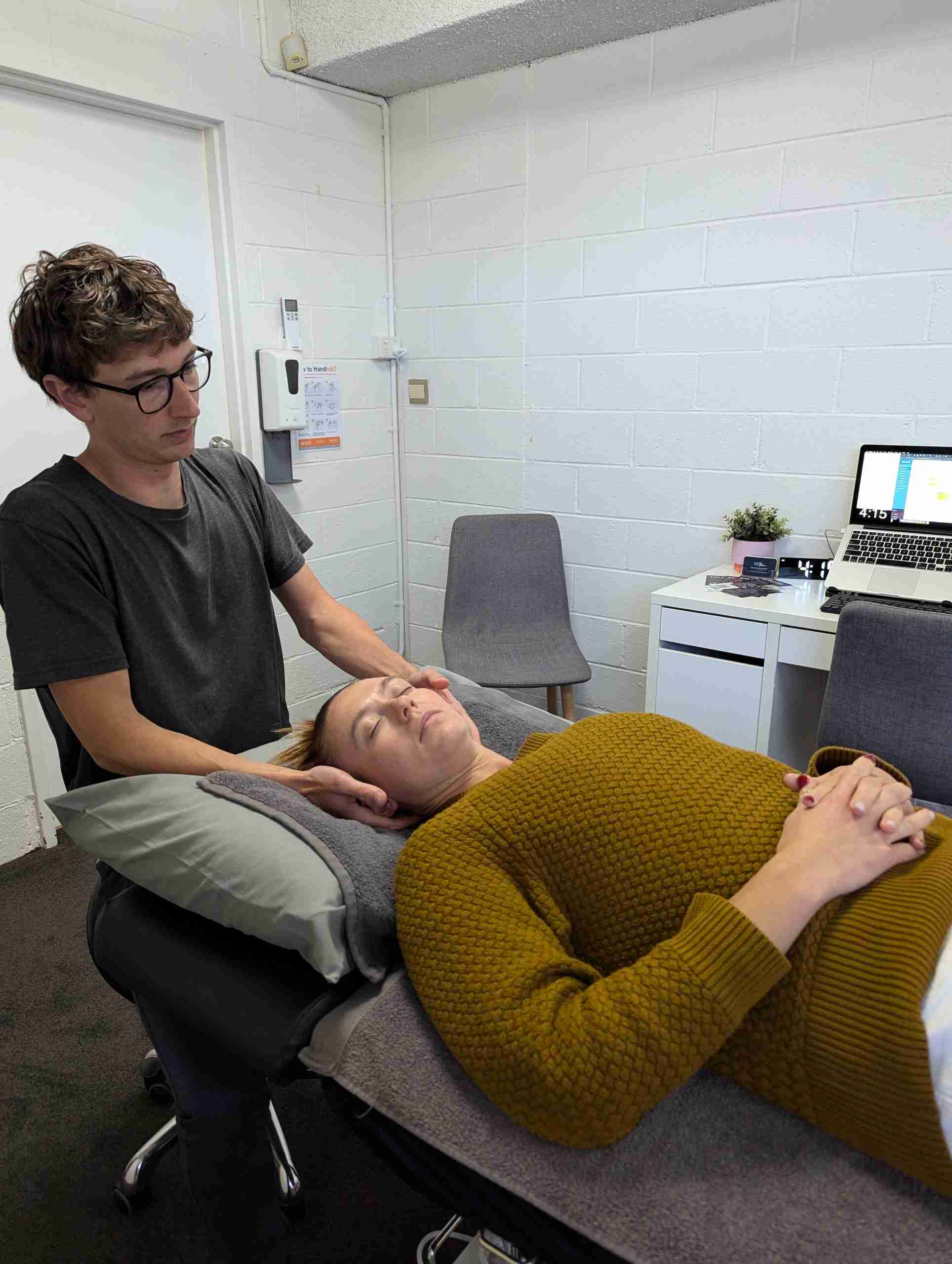
Lymphatic Drainage in Remedial Massage at The Osteo Collective
Manual Lymphatic Drainage
Last month, I had the privilege of attending the Soft Tissue Conference hosted by the Melbourne Institute of Massage and Myotherapy (MIMT). The event featured a wide range of presentations, covering topics from sports injury management to evidence-based myofascial release. However, one presentation stood out above the rest: Michelle Vassalo’s discussion on Manual Lymphatic Drainage (MLD). Her insights on lymphatic techniques and their role in remedial massage sparked a deeper appreciation for their potential impact in everyday practice.
Why Focus on the Lymphatic System in Massage?
Michelle’s presentation emphasized the benefits of incorporating lymphatic techniques into remedial massage sessions. This raised an interesting question: Why address the lymphatic system when the primary concern often lies within the muscles and fascia?
For those less familiar, the lymphatic system is a critical network responsible for immunity and fluid balance throughout the body. One of its primary functions is processing metabolic waste and other substances in our tissues. While these are often natural byproducts of the body’s processes, they can accumulate in areas of soreness, stiffness, or restriction, contributing to discomfort and reduced mobility.
In remedial massage, our focus is typically on releasing tension in muscles and fascia. However, this process often releases additional metabolic by products and can sometimes trigger an inflammatory response. This is where lymphatic drainage comes in. By incorporating a gentle lymphatic opening sequence—even just 10 minutes at the start of a session—we can promote lymphatic flow, enhancing waste clearance, boosting immunity, and reducing post-treatment soreness.
How Does Lymphatic Drainage Work?
Lymphatic drainage techniques are light, slow, and rhythmic, targeting tissues only a few millimetres below the surface. This gentle approach stimulates the parasympathetic nervous system, encouraging deep relaxation. As a result, muscles become more receptive and pliable, providing therapists with an ideal foundation to work on deeper structures. By starting with MLD techniques, therapists can create a calm, relaxed environment that enhances the effectiveness of the entire treatment.
Integrating MLD into Practice
Although I learned MLD techniques during my remedial massage studies, I hadn’t fully appreciated their transformative potential until the MIMT Soft Tissue Conference. Inspired by what I learned, I began incorporating 10–15 minutes of lymphatic drainage at the start of remedial massage sessions for clients who could benefit most. The results have been remarkable.
Here’s what some clients have shared about their experience with this approach:
“I made an appointment with Dylan due to significant stress my body was experiencing. The first massage was amazing and really relieved tension. For the follow-up massage, he included lymphatic drainage techniques. This was next level. It enabled my body to feel completely relaxed and free of tension. The benefits were so great that I recommended my pregnant daughter book an appointment. This type of massage is something I will definitely continue in the future.”
“I’ve had two sessions with Dylan that included lymphatic drainage. On both occasions, the experience was soft and calming as he gently worked on my skin. During the session, I could actively feel my body relaxing. Although the touch was light, the effects were profound. Coupled with deep tissue massage, my muscles felt completely relaxed. After a great night’s sleep, I woke up feeling refreshed and tension-free—like I’d just been to a day spa!”
Conclusion
The addition of lymphatic drainage techniques to remedial massage has proven to be a game-changer. By promoting relaxation and improving lymphatic function, this approach enhances the effectiveness of treatment and offers clients a profoundly rejuvenating experience. Whether you’re addressing muscle tension, soreness, or general stress, integrating MLD could be the key to unlocking deeper therapeutic benefits.