
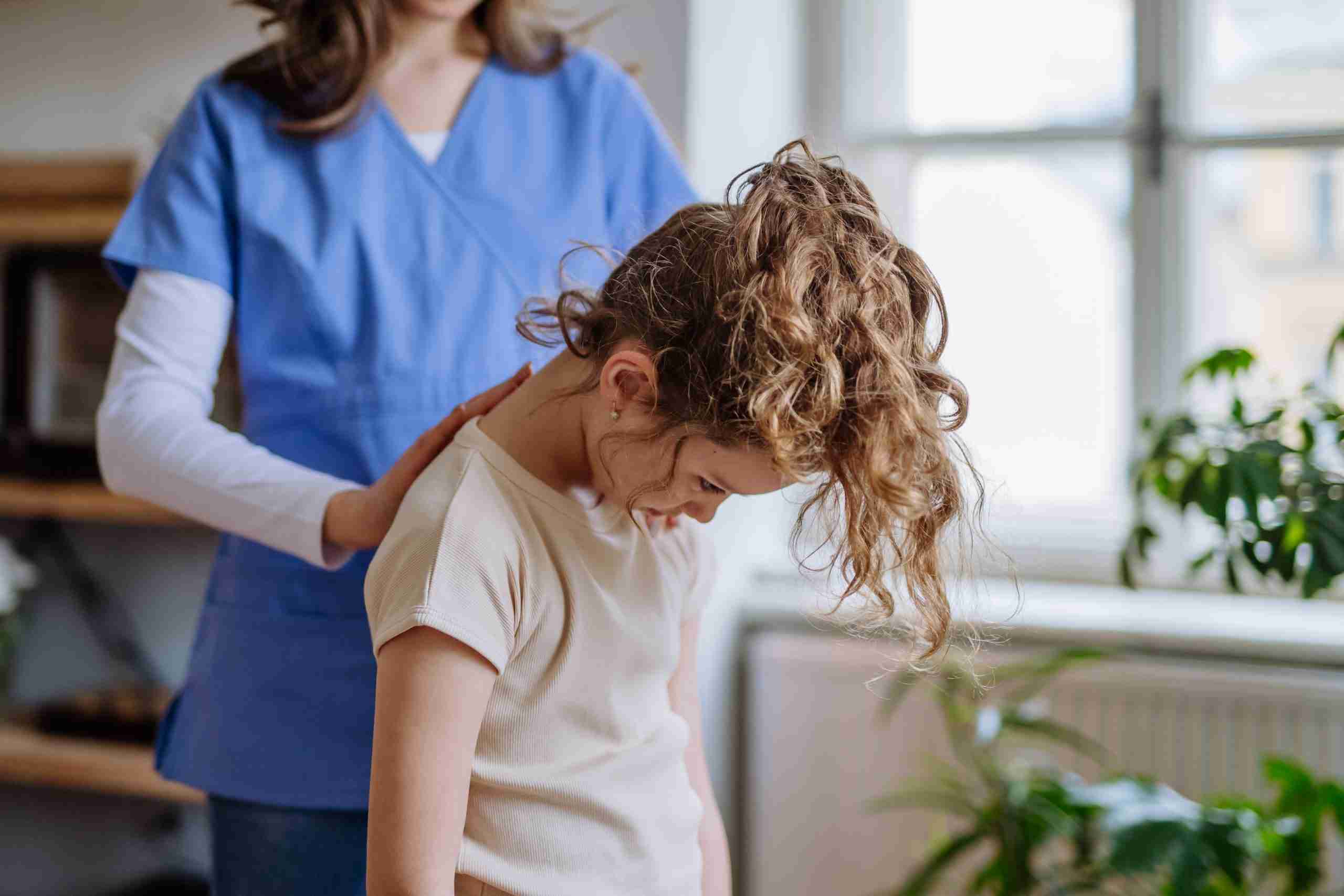
Children grow and change quickly. One week they may be running, climbing and playing without concern, then suddenly they may mention stiffness, avoid certain movements or seem less comfortable with activities they usually enjoy.
Most aches do not need treatment and may settle as a child grows or becomes used to a new activity. If something keeps coming back, though, parents may want to understand whether their child is moving comfortably or could benefit from some extra support.
Paediatric osteopathy is often considered by parents who want gentle, age-appropriate assessment and advice around their child’s movement, posture or recurring physical discomfort.
When Aches Keep Coming Back
Children may not always explain discomfort clearly. They might say their legs feel tired, their back feels sore, or they do not want to join in with a usual activity.
Occasional soreness can happen after sport, play, growth or busy school days. However, if the same concern keeps returning, lasts longer than expected or starts affecting daily routines, it may be worth having it reviewed.
A professional assessment can help parents understand whether the discomfort may be linked to movement habits, activity load or another factor that needs closer attention.
When Movement Looks Different
Parents often notice subtle changes before anyone else. A child may start favouring one side, sitting differently, walking with less confidence or avoiding movements that used to feel easy.
These changes do not always point to a serious issue. They may be temporary or linked to growth, sport, posture or recent strain. Still, if the pattern continues, a children’s movement assessment may help provide more clarity.
The aim is not to label every change as a problem, but to better understand how the child is moving.
When Posture Becomes a Regular Concern
School routines, screen use, carrying bags and long periods of sitting can all influence the way children hold themselves.
Parents sometimes notice their child sitting unevenly, hunching their shoulders or feeling stiff after a day at school. These things can happen from time to time, but if they keep coming up or seem to cause discomfort, it may be worth speaking with a qualified health professional.
Posture is best viewed as part of the bigger picture. It can be influenced by strength, mobility, habits, fatigue and the child’s daily routine.
When Sport or Play Starts to Feel Harder
Active children place regular demands on their bodies. Running, jumping, twisting, climbing, and training can all contribute to physical load.
When a child starts sitting out of sports, feels sore after being active or seems unsure about certain movements, parents may decide to seek advice. This does not always mean the child needs to stop being active. It may simply mean their body needs a more considered approach.
In some cases, movement support for children may include advice around activity, recovery, body awareness or simple exercises suited to their needs.
When Growth Brings New Challenges
Growth can affect how children move and feel. During growth spurts, some children may seem less coordinated, less flexible or more aware of tightness and tiredness.
Aches and discomfort can sometimes come and go as children grow. However, if a child keeps mentioning pain, starts avoiding movement or finds familiar activities harder than usual, it may be worth having things checked so parents can better understand what is going on.
The focus should be on reassurance, assessment and practical guidance, not making assumptions.
When Parents Feel Unsure What Is Normal
It can be difficult to know when to wait, rest, change activity or seek advice. Online information can make this even harder because different concerns can sound similar.
Paediatric osteopathy may be considered when parents want a clearer view of their child’s musculoskeletal health, movement patterns and comfort. It can also help identify whether another type of care or referral may be more appropriate.
This broader approach supports kids’ musculoskeletal health without treating every ache as something serious.
When Daily Habits May Be Contributing
Discomfort is not always caused by a specific injury. It can come on slowly through day-to-day habits, whether that is spending hours sitting, carrying a heavy school bag, looking down at a device, playing sport or sleeping in an awkward position.
Looking at these habits can be useful. Small changes to movement, posture, rest or activity may help make daily life more comfortable.
A careful review can help parents understand whether routine factors may be contributing to the concern.
What Parents Can Notice Before an Appointment
Parents do not need to diagnose the issue. It is more useful to observe patterns and describe what has changed.
Helpful things to notice may include when discomfort appears, whether it improves with rest, what activities make it more noticeable, and whether the child’s movement or confidence has changed.
These details can make a discussion with a practitioner more useful and help guide the next steps.
Understanding Support Options
Children may need different types of care depending on the concern. Some may benefit from assessment and advice, while others may need medical review, physiotherapy, exercise guidance or another form of support.
For parents wanting to understand how osteopathic care fits into broader allied health support, The Osteo Collective provides information about osteopathy and how it may be considered as part of movement, recovery and wellbeing care.
A Calm Way to Approach Movement Concerns
Paediatric osteopathy may be considered when parents want a clearer understanding of their child’s movement, posture or recurring discomfort. It does not promise specific outcomes, and it should not replace medical care when symptoms are severe, worsening or concerning.
The Osteo Collective supports people with allied health care focused on movement, recovery and long-term wellbeing. For children and families, a calm, careful approach can help make physical concerns easier to understand and guide the next steps with more confidence.